Have you ever felt unsure about what kind of hat to wear (or not wear) when visiting a place of worship? I know I have! It's something I've thought about a lot, especially when visiting different religious spaces. Figuring out what's respectful and appropriate can be a bit of a puzzle, and I’ve definitely had my share of awkward moments. I’m sharing my personal experiences and some helpful insights I’ve gathered along the way to help you navigate this tricky territory with confidence.
I remember one time I was visiting a new church in the winter. I completely forgot to take off my beanie. It wasn't until I noticed some curious glances that I realized my mistake. I quickly removed it, feeling a bit embarrassed. This got me thinking about the unspoken rules around headwear in different religious settings.
I also recall attending a synagogue service. I noticed that many men were wearing hats or kippahs. It seemed that head coverings were not only accepted but encouraged. This was quite different from my experience at the church!
Then there was the time I visited a local Hindu temple. It struck me as a place where headwear wasn't common at all. I felt that wearing a hat might even be seen as a distraction or disrespectful to the sacredness of the space.
Through these experiences, I've come to appreciate the diversity of customs surrounding headwear in different religious traditions. Here's what I've learned:
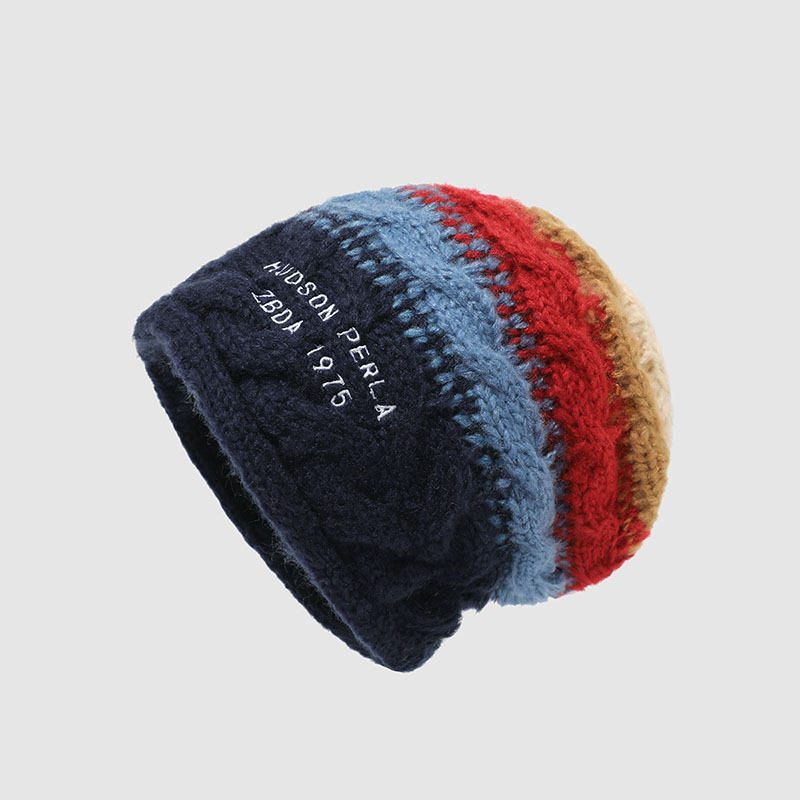
Sometimes, you want a head covering that's both respectful and practical. I've found that a versatile beanie or balaclava can be a good option, especially in colder weather. It's important to choose one that's not too flashy or distracting. I recently tried a beanie Balaclava ski mask from WholeCustomDesign Quality, and it's become my go-to for situations where I want to be prepared but also mindful of religious customs. It's comfortable, warm, and can be easily adjusted to suit the occasion. The quality of the knit is exceptional. This has become a staple of my winter wardrobe.
I appreciate that it doesn't scream "look at me!" which is important when you're trying to be respectful in a religious setting. It’s more about functionality and warmth while still being mindful of the environment.
Here are some guidelines I've found helpful: